AI Outfit Swap for Photographers: Test Client Looks in Advance
How portrait and editorial photographers use AI outfit swap to test client looks in advance, align on wardrobe, and shoot faster on set.
AI Outfit Swap for Photographers: Test Client Looks in Advance
Photographers who shoot people live by pre-production. The more decisions you lock before the shutter starts clicking, the smoother the day and the better the final gallery. AI outfit swap is the new pre-production tool most photographers have not added yet, and it is quietly transforming how portrait, editorial, and brand photographers align with clients before a shoot. With a free mobile app like AI Outfit Swap, you can preview wardrobe on a client before they arrive, eliminate surprises, and shoot with a tighter plan than any mood board alone can deliver.
The Pre-Production Gap Most Photographers Live With
Every portrait photographer knows the feeling. The client arrives with a garment bag, you pull out the first look, and something is off: the color fights the backdrop, the silhouette is not flattering for this body, the fabric reads flat in daylight. You adjust on the fly, but you have lost the first thirty minutes of the day and some of the client's confidence. The fix is not a better mood board. It is a preview of how the actual wardrobe will look on the actual client, in something close to the actual setting.
If you are new to the category, our virtual try-on explainer and AI clothes changer overview get the team up to speed.
A Pre-Shoot Workflow That Pays for Itself
The workflow is lightweight. Collect a clean reference photo of the client, either from a previous shoot or a well-lit selfie. Ask the client to send flat lay images of the garments they plan to bring. Run each garment through AI outfit swap on the client's photo. Share the previews with the client, flag anything that is not working, and adjust before the shoot. On the day, you know exactly which looks are in and which are out, and the client arrives with confidence. Our pieces on perfect base photos and posing for try-on are direct inputs into this workflow.
Shoot-Day Time Savings
| Phase | Without Preview | With AI Preview |
|---|---|---|
| Wardrobe review on arrival | Significant | Minimal |
| Re-styling mid-shoot | Common | Rare |
| Client confidence at start | Mixed | High |
| Looks captured per hour | Fewer | More |
| Post-production rework | Higher | Lower |
The compounding win is that the shoot is shorter and better, and the client feels prepared. Word of mouth from confident clients is how most portrait photographers grow.
Editorial and Brand Work
Editorial and brand photographers can extend the workflow further. Instead of waiting for samples to arrive, preview garments on the model as soon as the art director shares references. This lets you weigh in on styling before the shoot date is locked and flag issues that would otherwise eat production time. For brand-focused projects, the same previews double as mood board material for the client's internal approval process.
Occasion-Specific Workflows
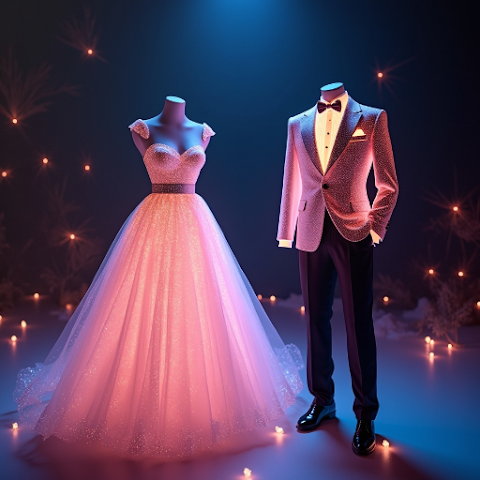
Different shoots call for different preview priorities. For engagement and wedding previews, pair try-on with AI wedding dress try-on and tuxedo try-on. For senior portraits and graduation work, consider graduation photo try-on. For event and editorial projects, the holiday-focused guide in holiday party outfits is a useful reference.
Client Communication Gets Easier
The quiet benefit of previews is that they replace vague styling conversations with specific ones. Instead of saying we want something more editorial, the client can point at a preview and say this one works and this one does not. That shifts the conversation from taste to decisions, and decisions are what make a shoot day run smoothly.
Building a Preview-Based Offer
Some photographers are starting to productize the preview step. A pre-shoot styling session that includes a dozen AI try-on previews is a natural add-on to a portrait package. Clients pay for the peace of mind, and you pay for it with a fraction of an hour on your phone. For styling-heavy businesses, this is a meaningful upsell.
Keeping Previews Honest
Previews are not final frames. The job of a preview is to answer yes or no on a look, not to substitute for your photography. Our accuracy assessment is the right calibration read for both you and your clients.
Do clients mind AI previews?
Most clients love them because they arrive at the shoot with more confidence. Be transparent that imagery is a preview, not a final photo.
Can I use previews for model casting?
Yes, especially for brand work where the client wants to see how a sample looks across body types before casting is finalized.
Does this replace stylists?
No. A good stylist is still the right hire for complex shoots. Previews make the stylist's job easier rather than replacing it.
How do I share previews with clients?
Most photographers send them as a simple gallery or a shared PDF. Treat them like proofs, not final deliverables.
Add Previews to Your Pre-Production
Pre-production is where the shoot is actually won or lost. Download AI Outfit Swap, add a preview pass to your next three client projects, and track how much faster your shoot days run. If the difference is as clear as most photographers report, make previews a standard step in your process with the app installed on the studio phone.
Written By